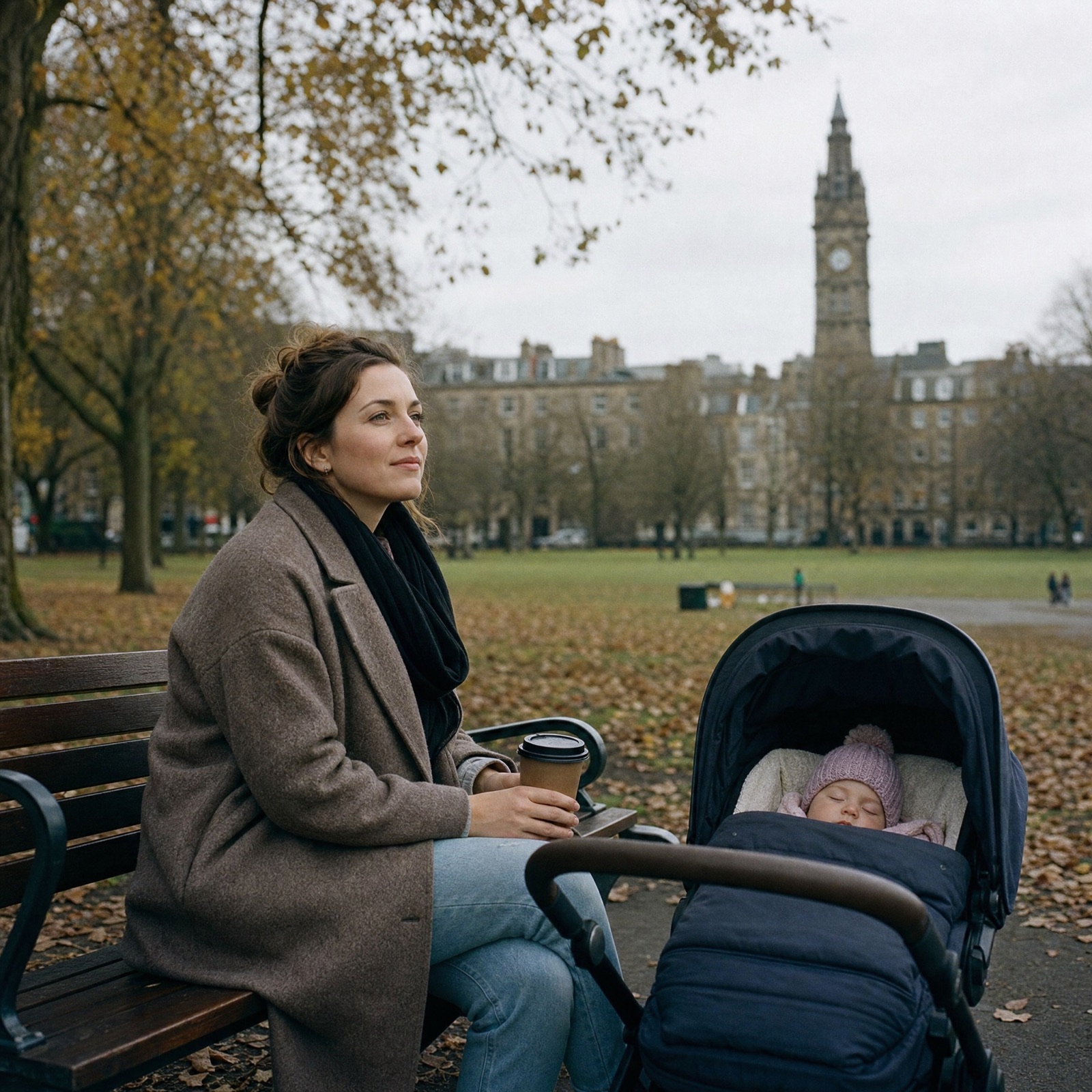
Dorothy moved into her flat in Gorgie thirty-one years ago, when the street was noisier and the shops were different and her husband Jim was still alive. She knows her neighbours by sight, knows the postman's route, knows which bin day is which. But after she fell on an icy step last January and fractured her wrist, her world shrank sharply. For nearly four months she left the flat only for medical appointments. The kettle, the television, the window — that was the shape of her days.
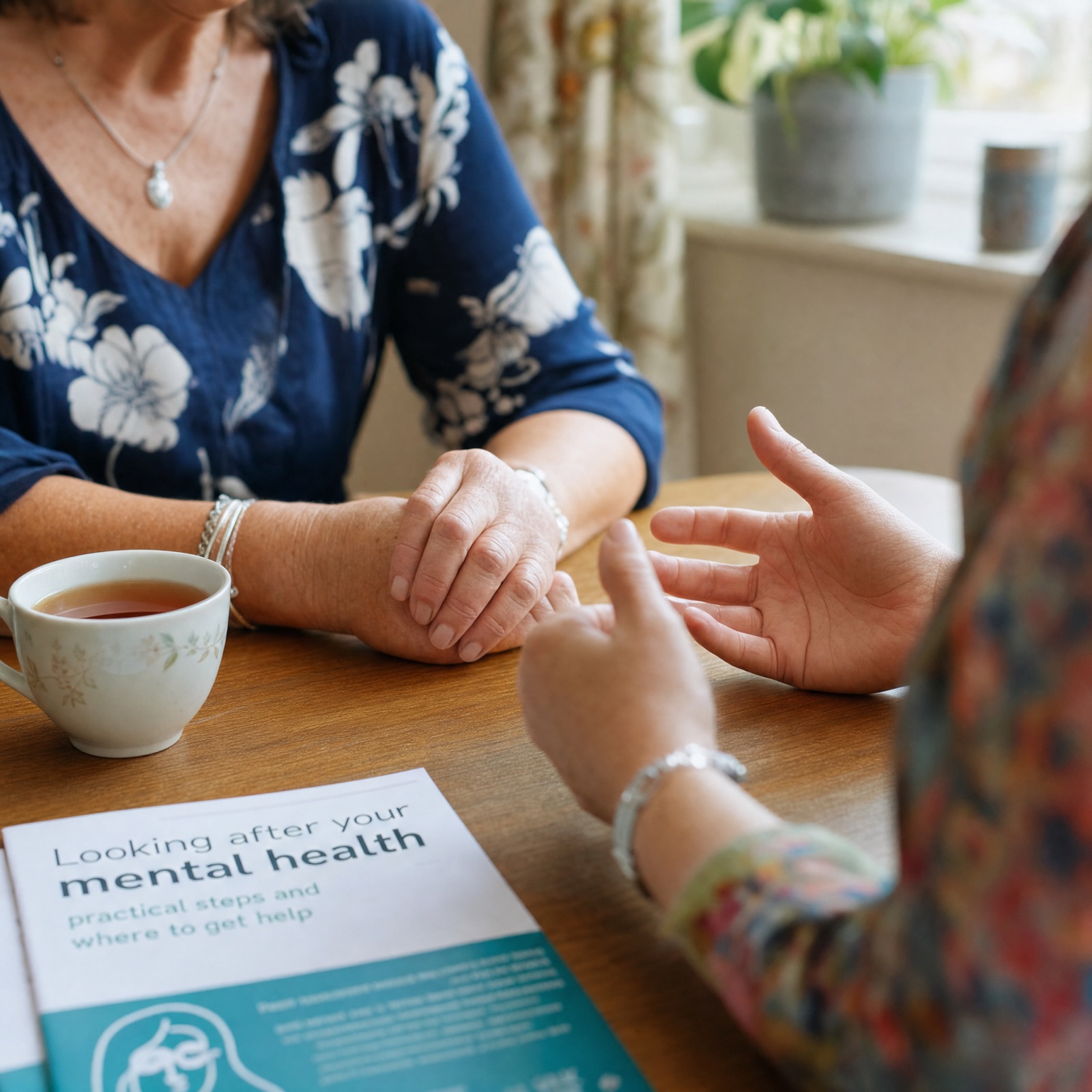
Her GP flagged her to Vibrant Health Advocates as part of a social prescribing arrangement running across several practices in the area. Dorothy was hesitant. "I'm not someone who needs looking after," she says, firmly, over a cup of tea in her kitchen. "I was clear about that from the start." She agreed to a single introductory visit. That visit was with a volunteer named Sandra, a retired school administrator who had been volunteering with the organisation for about a year. "Sandra didn't come in and start asking questions about my health," Dorothy says. "She came in and asked if I had a preference for milk chocolate or dark chocolate, because she'd brought biscuits."
The befriending programme at Vibrant Health Advocates matches older adults with trained volunteers for regular one-to-one visits or phone calls — typically once a week. Volunteers are matched on the basis of shared interests, personality, and geography where possible. The relationship is not clinical; there is no casework, no assessments completed during visits, no targets to meet. What there is, consistently, is company. Volunteers are trained to listen, to notice when something seems off, and to signpost relevant support — but the core of the work is simply showing up reliably for another person.
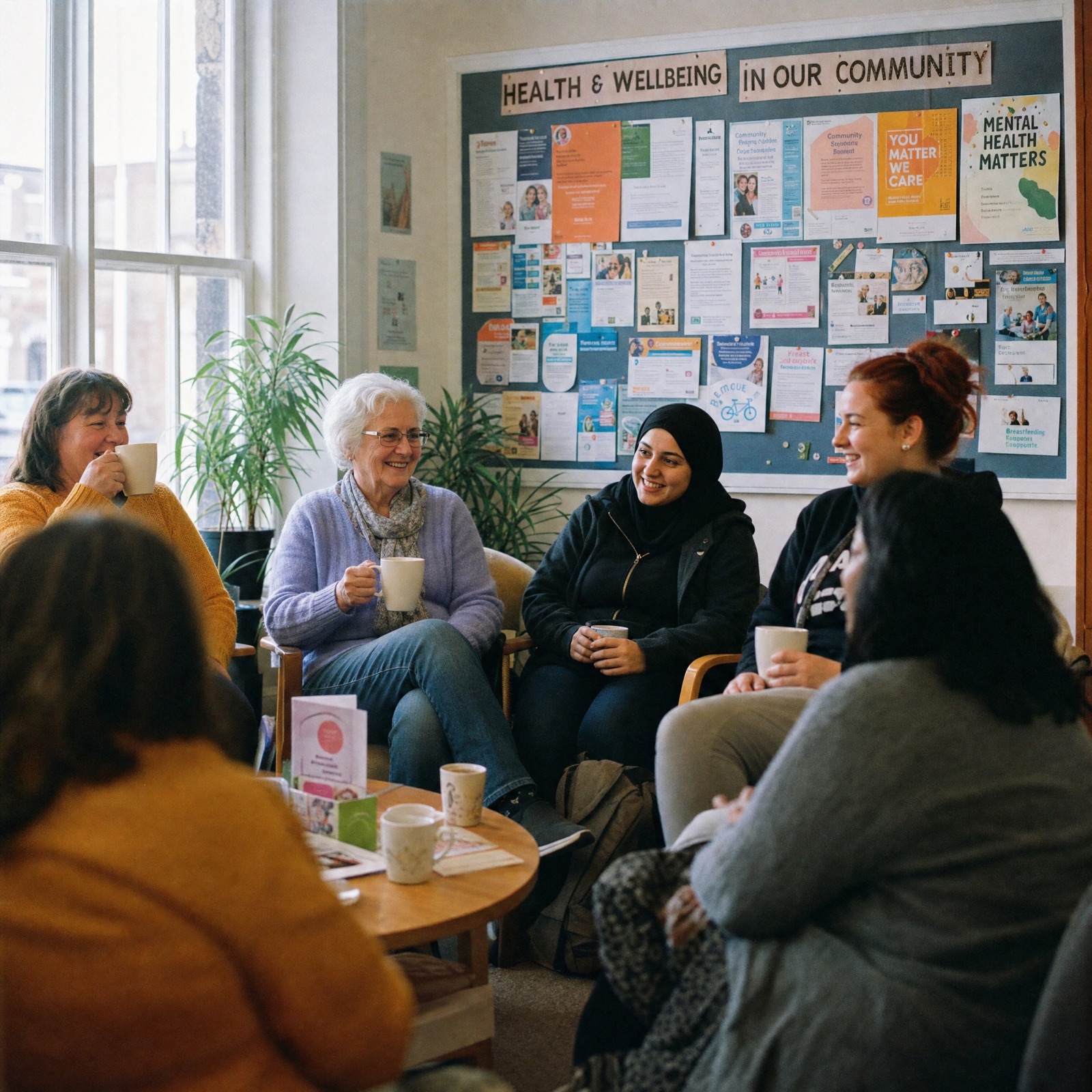
For Dorothy, the Tuesday visits became an anchor. She and Sandra talked about gardening — Dorothy has a small window box; Sandra has an allotment in Sighthill — about old Edinburgh, about Dorothy's daughter who lives in Dundee and calls twice a week but cannot always visit. Gradually, Dorothy started going out again. First just to the corner shop, then to the library, then to a peer drop-in session at the local community centre. "Sandra said she'd come with me the first time, which helped. I didn't want to walk in on my own." Dorothy has been going to the drop-in most weeks since March.
Dorothy's wrist has healed, but she still sees Sandra on Tuesdays. The befriending relationship is not rigidly time-limited; the programme recognises that connection, once established, has value well beyond any initial crisis. "I know that if something happened — if I had a bad week, or got a letter I didn't understand — I could call Sandra," Dorothy says. "That knowing is the thing. You don't feel like you're just managing on your own."
There are many people like Dorothy in Edinburgh — older adults who are coping, mostly, but whose days have narrowed in ways that are hard to name and easy to overlook. A fractured wrist, a bereavement, a diagnosis that changes how you think about the future: these are the moments that can tip someone from connected to isolated, often without anyone noticing until a great deal of time has passed. The befriending programme exists to notice early, and to respond — not with forms and assessments, but with a person and a bag of biscuits.
If you are an older adult in Edinburgh managing a long-term condition, or if you know someone who might benefit from a regular, friendly visit, we would love to hear from you. And if you are interested in becoming a volunteer befriender yourself — flexible hours, full training provided, genuinely meaningful work — get in touch. We are always looking for more Sandras.